🙋🏻♀️
Personal Project
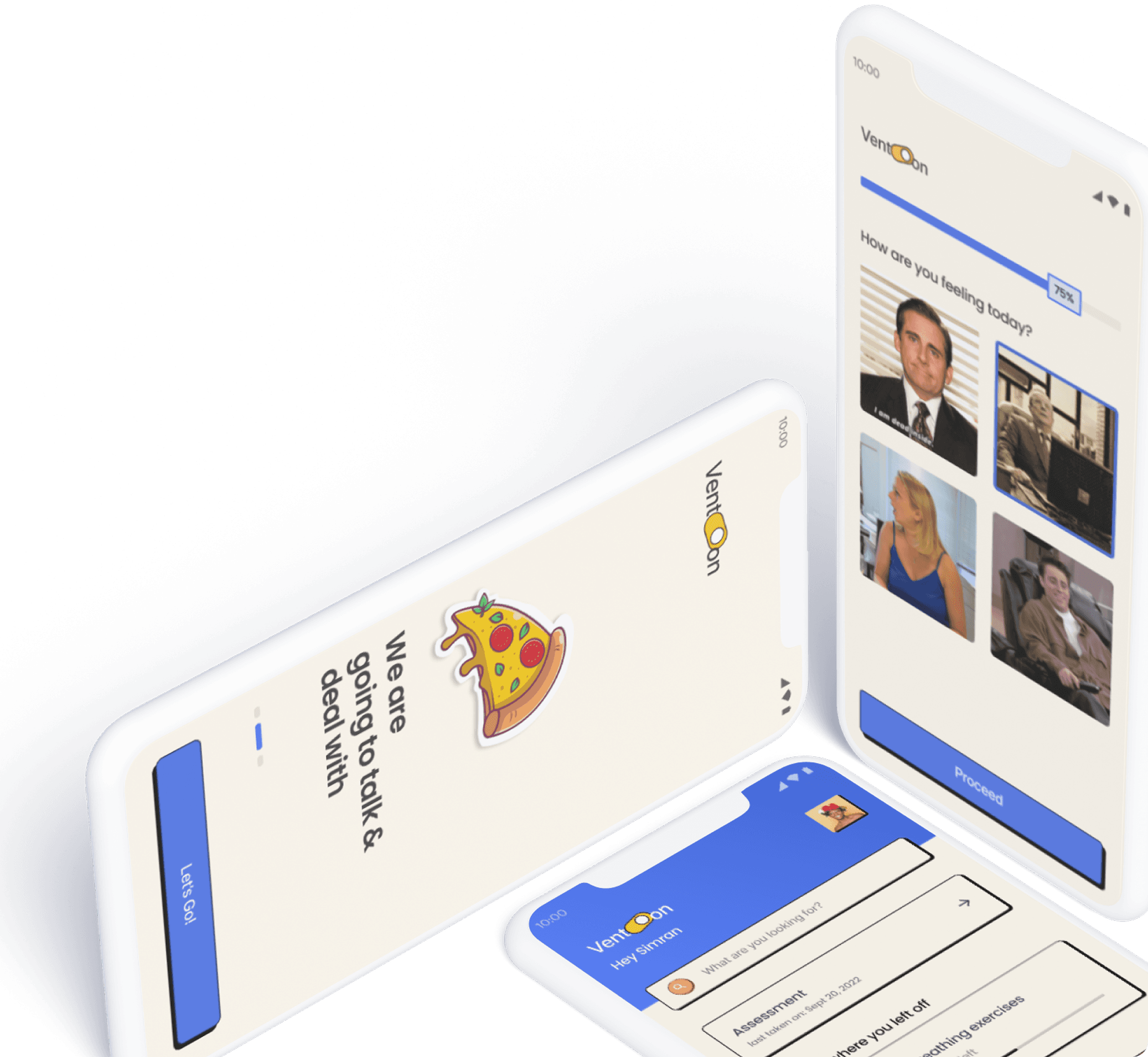
When I began exploring mental health tools, I noticed that most of them were technically sound but emotionally distant. They were clean, minimal, and well-structured, yet the experience often felt sterile. The tone leaned clinical, the interfaces were rigid, and the overall interaction resembled filling out a report rather than having a conversation. For something as personal as your emotions, that distance creates friction. If an app is meant to support vulnerability, it cannot feel detached from it.
To understand this better, I ran a survey asking people about their relationship with mental health apps.
The responses weren’t surprising — but they were telling.
Many people:
Struggle with anxiety, overwhelm, or inconsistent routines
Have tried mental health apps
Eventually stop using them
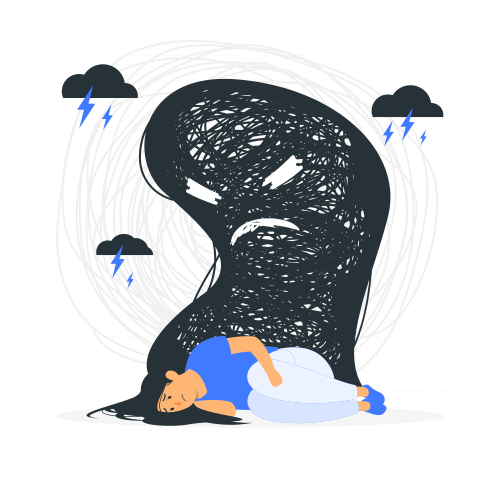
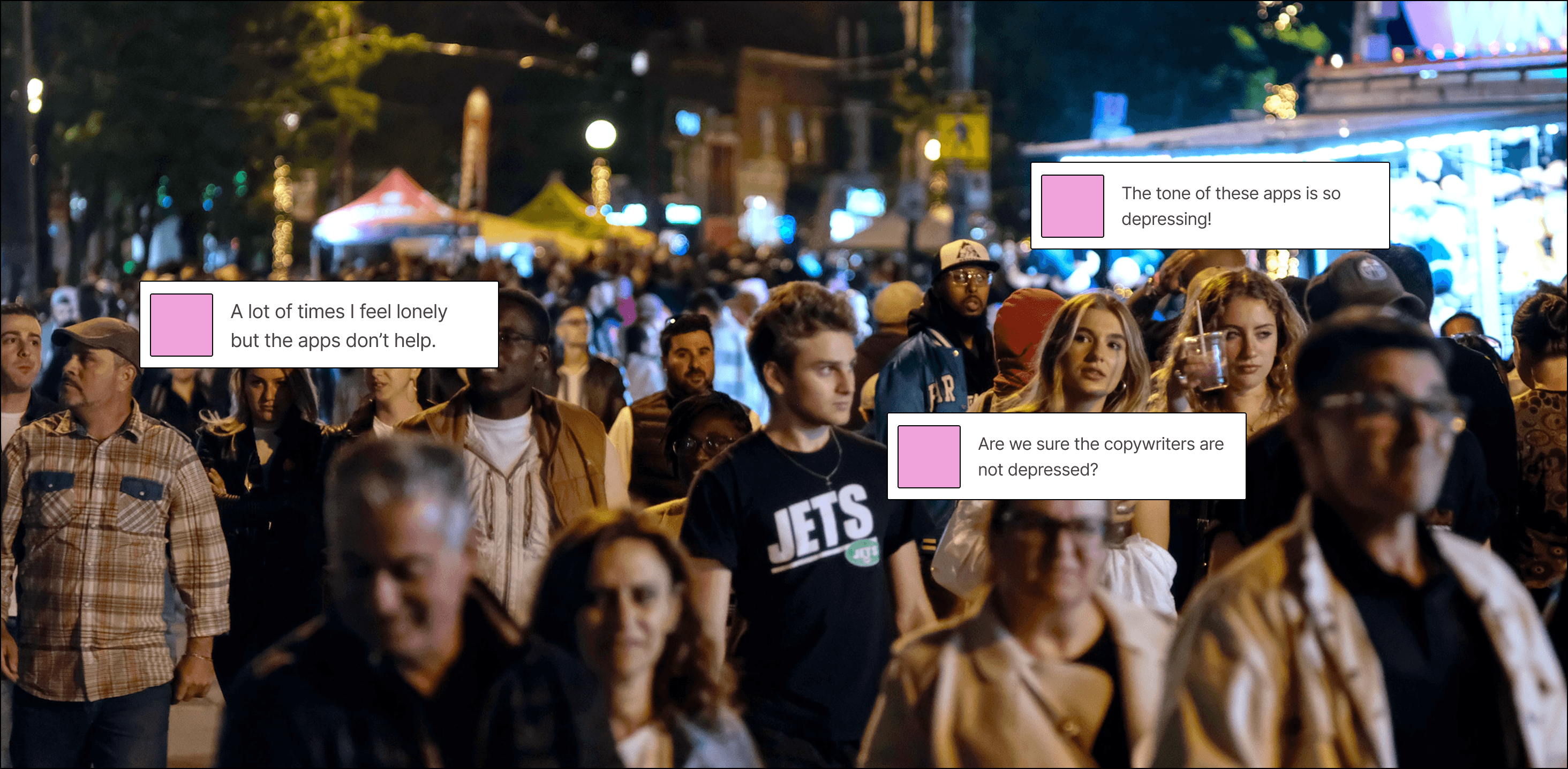
A clear pattern emerged: many people actively care about their emotional well-being and have experimented with wellness tools, yet few remain consistent with them. The drop-off wasn’t caused by a lack of need. Instead, users described feeling overwhelmed, disconnected from the tone, or subtly judged by the structure of these platforms. The tools were functional, but they didn’t feel relatable enough to return to daily.
AFFINITY MAP
After gathering responses from surveys and interviews, I translated recurring concerns into a series of “How Might We” questions. Writing them this way forced me to stay open-ended and avoid prematurely locking into solutions.
When I laid them out, they naturally grouped around two emotional territories: isolation and alleviation.
ISOLATION
How might we help the users feel less isolated using mindfulness?
How might we prevent social isolation in their lives?
How might we motivate them to get out of their isolation?
How might we alleviate their anxiety with social interaction?
ALEVIATING
How might we help the users take their mind off the problem?
How might we help them train their mind to dedramatise problems?
COMPETITIVE ANALYSIS
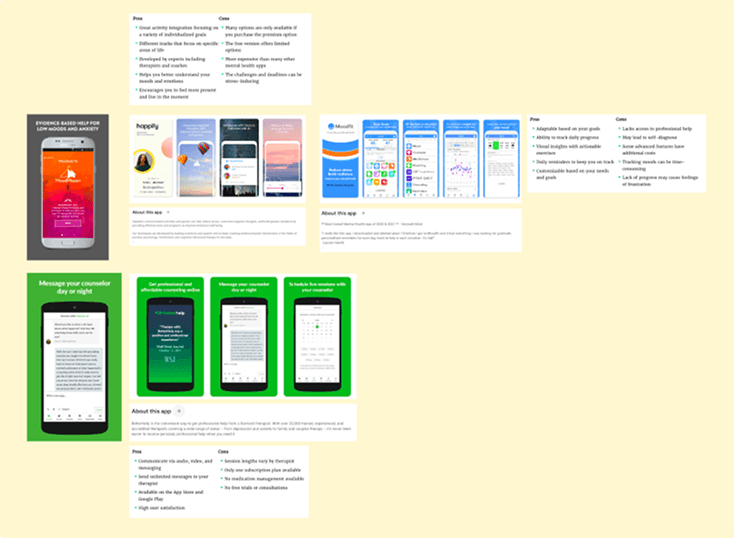
I explored the competitive landscape. Most apps focused heavily on tracking: mood logs, habit streaks, dashboards, and insights. While visually polished, they shared a similar personality — minimal, muted, and serious. There was little differentiation in emotional tone.
This competitive analysis clarified something important: the opportunity wasn’t adding more features. It was redefining how those features felt.
SORTING IDEAS & FEATURE PRIORITISING
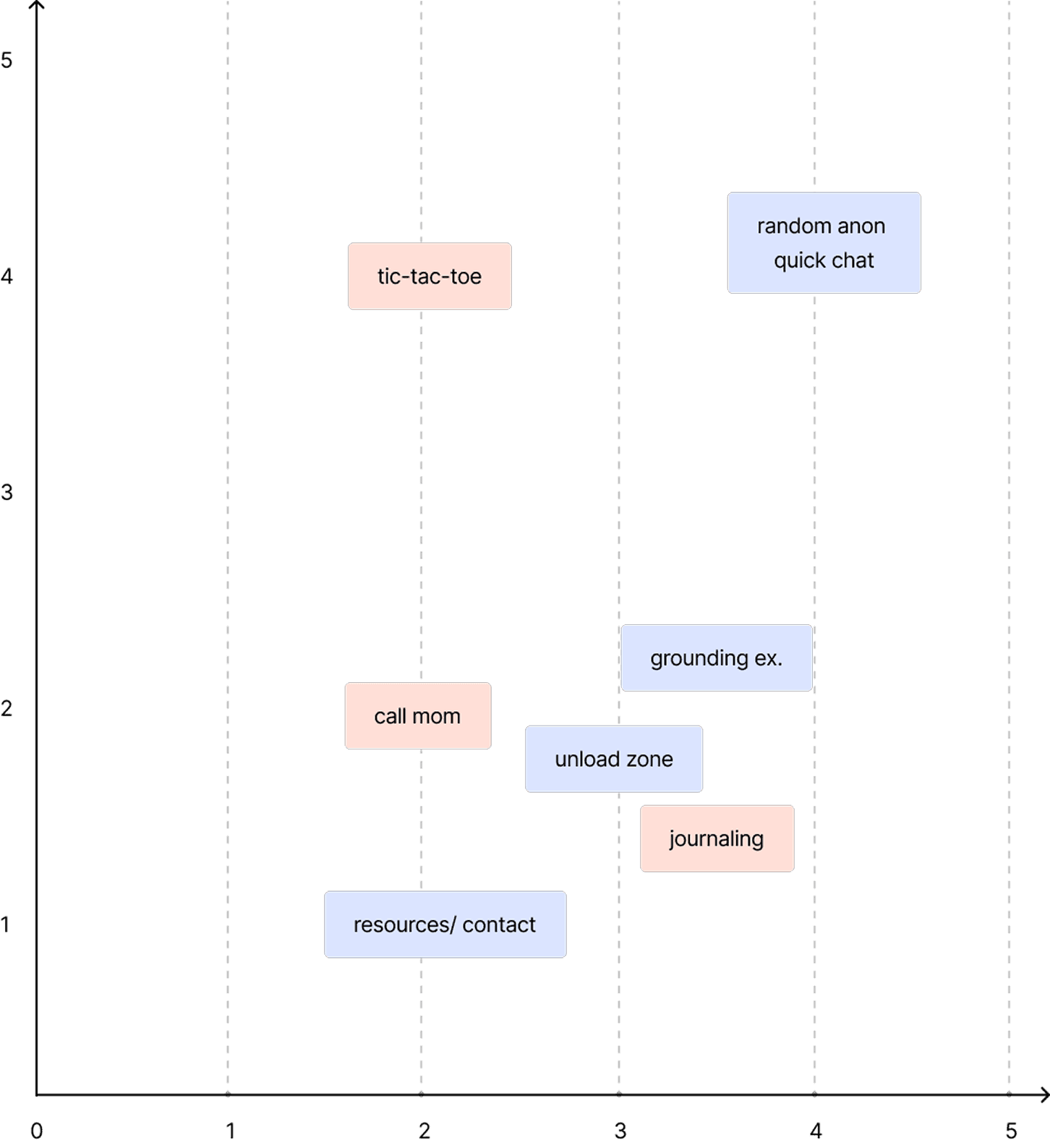
To avoid feature overload, I grouped and sorted ideas into themes: tracking, reflection, engagement, and personality.
From there, I used the MoSCoW framework to prioritize what truly mattered.
This exercise ensured that personality would not be diluted by unnecessary complexity.
Can we provide a constructive outlet for people to track on the long-term & established routine to address menta health issues?
Can we make this outlet safe, reliable & social for people to be able to connect with others suffering from similar problems or wanting to help?
Can we build this outlet in a way that it is relatable, welcoming and enticing in order to help people tone down the situation via humor, focus & varied solutions?
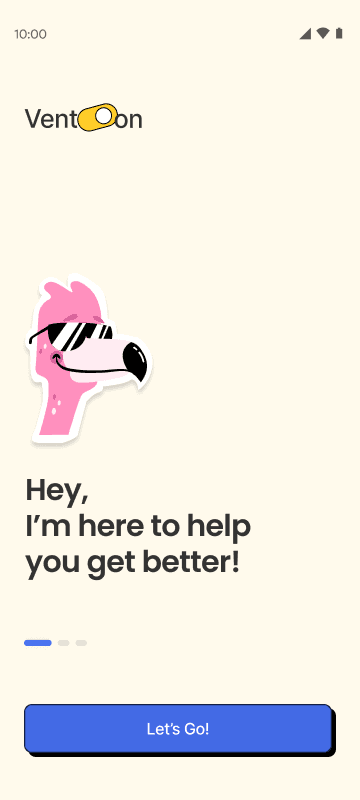
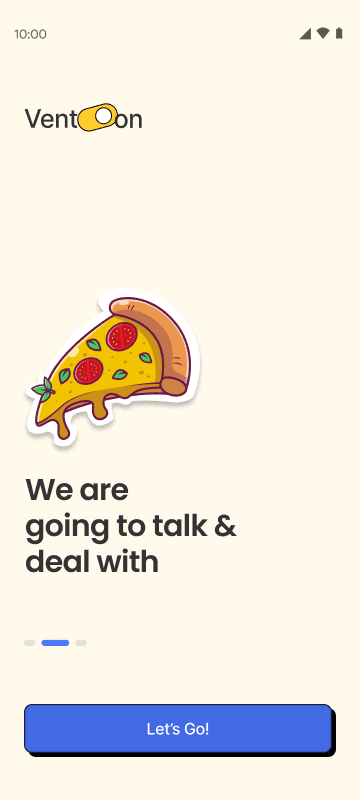
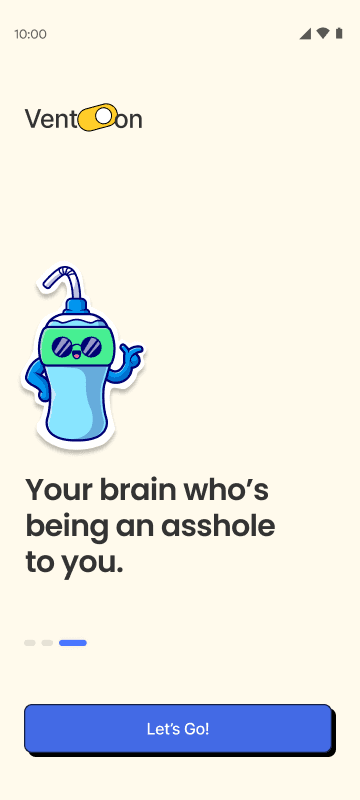
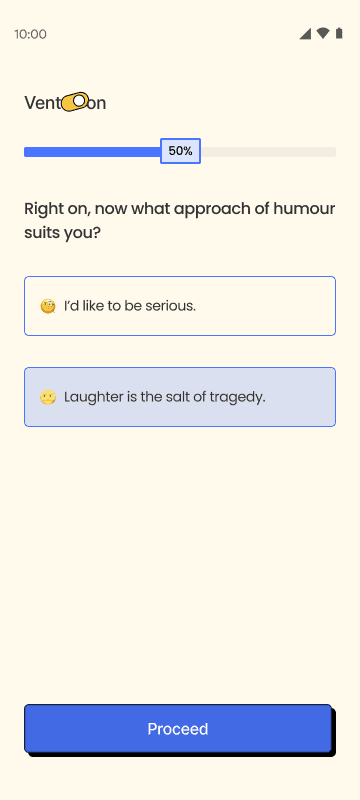
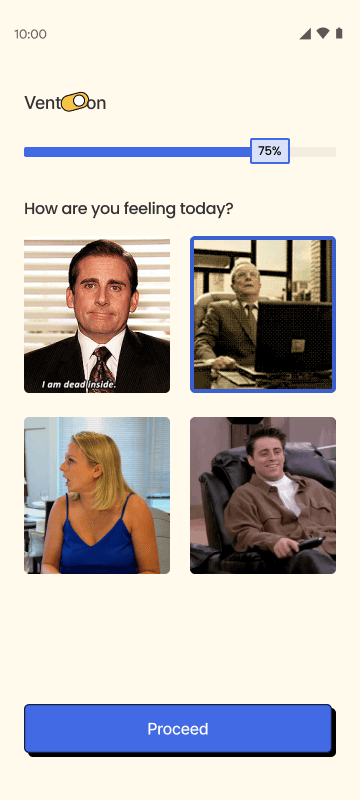
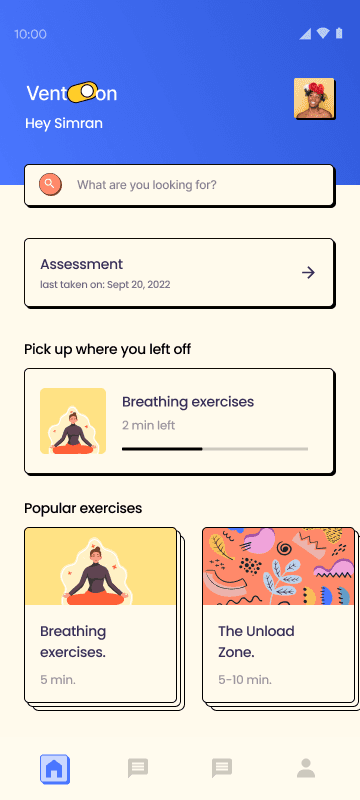
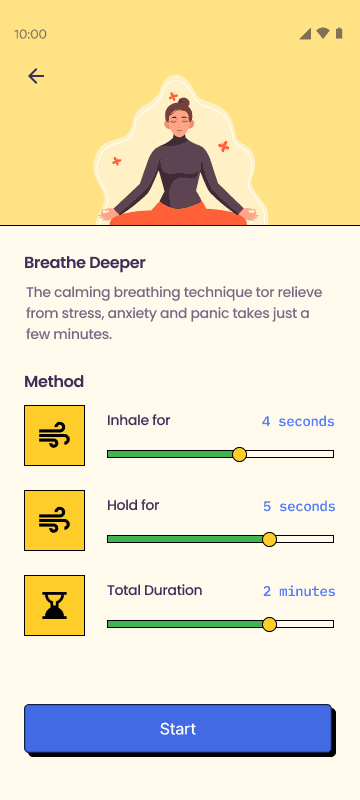
It is a Gen-Z-friendly mental health companion designed to help users track emotions and habits — but with character 💅. The goal was not to make the experience comedic or trivial, but approachable.
Instead of sounding instructional, the app feels conversational.
Instead of framing reflection as performance, it frames it as check-in. It supports logging emotions, recognizing patterns, and building habits — but does so in a way that feels lighter and more human.
Tone became the differentiator.
MOODBOARDING
Since the app is intended for people who typically avoid self-help and wellness applications because they are too corny, I chose to build it in the style of the gen-Z, with a reassuring, modern, and gentle tone for the UI.
Neobrutalism was incorporated into the design.
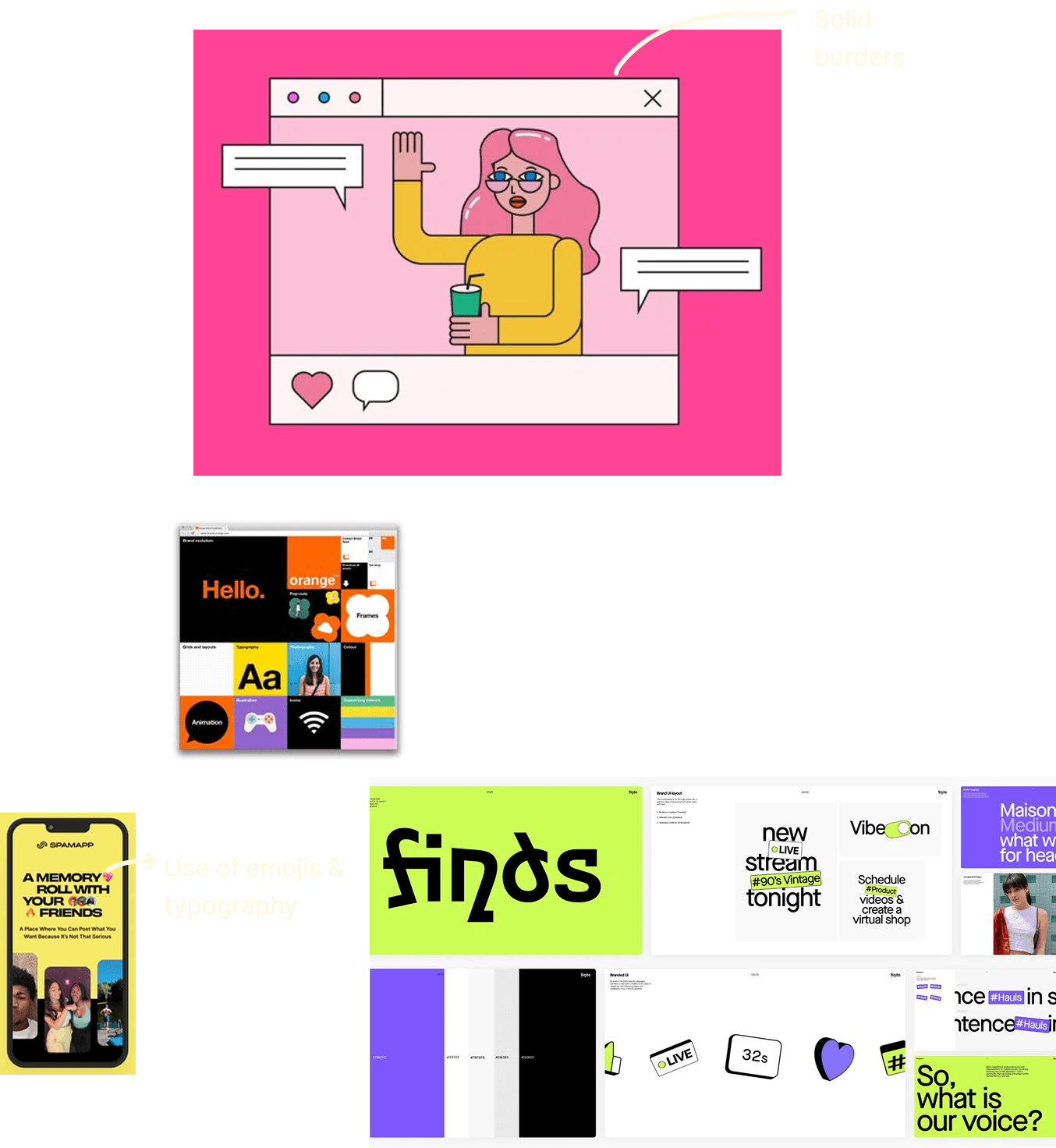
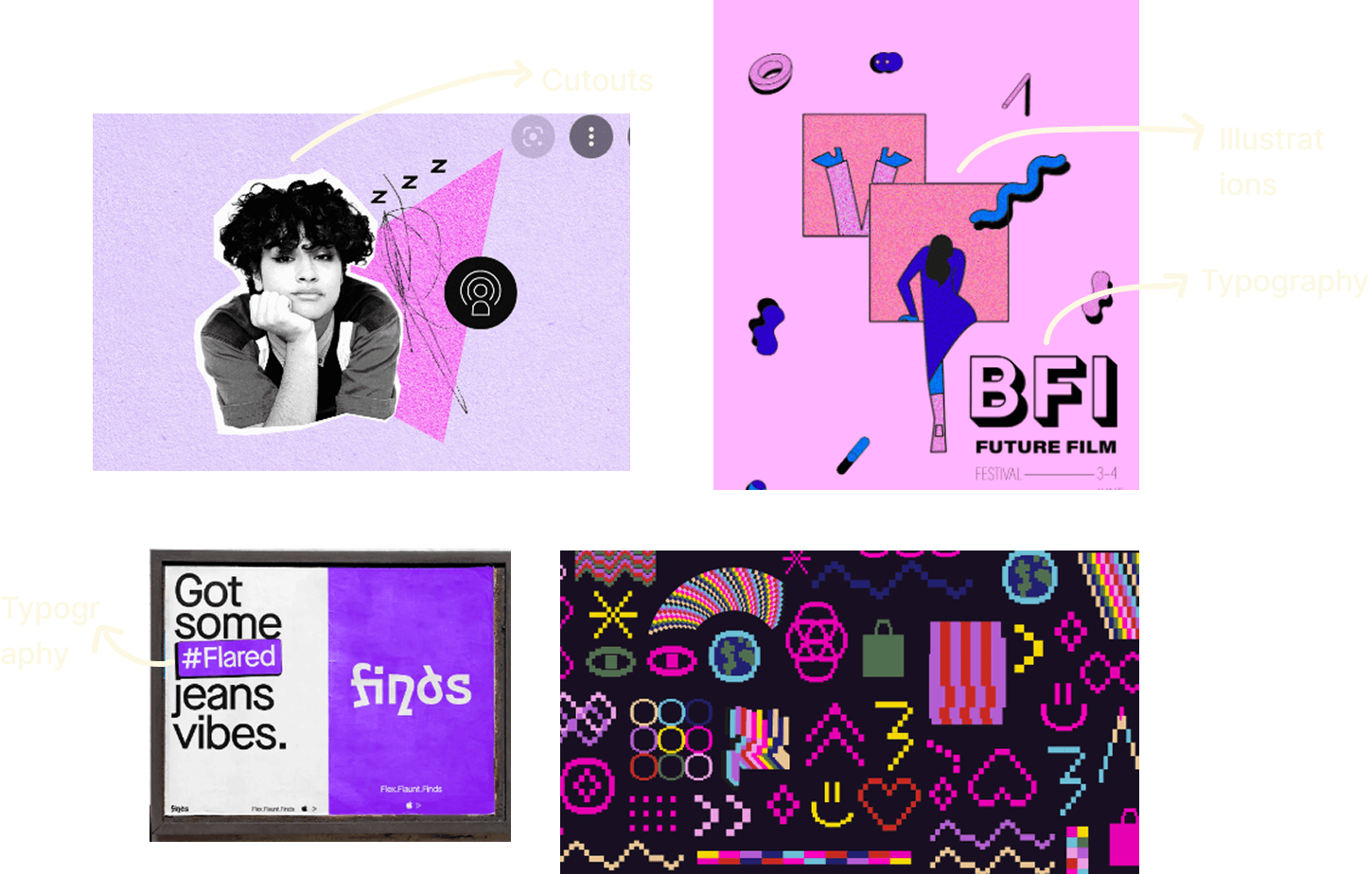
Since the app is intended for people who typically avoid self-help and wellness applications because they are too corny, I chose to build it in the style of the gen-Z, with a reassuring, modern, and gentle tone for the UI.
Neobrutalism was incorporated into the design.
To ensure that the application's design was constant throughout, I came up with a simple design framework. For easier reading of the content, a sans serif font is utilised in the application.
COLOUR SYSTEM
LOGO
TYPOGRAPHY
Poppins
Aa
Regular & Semibold
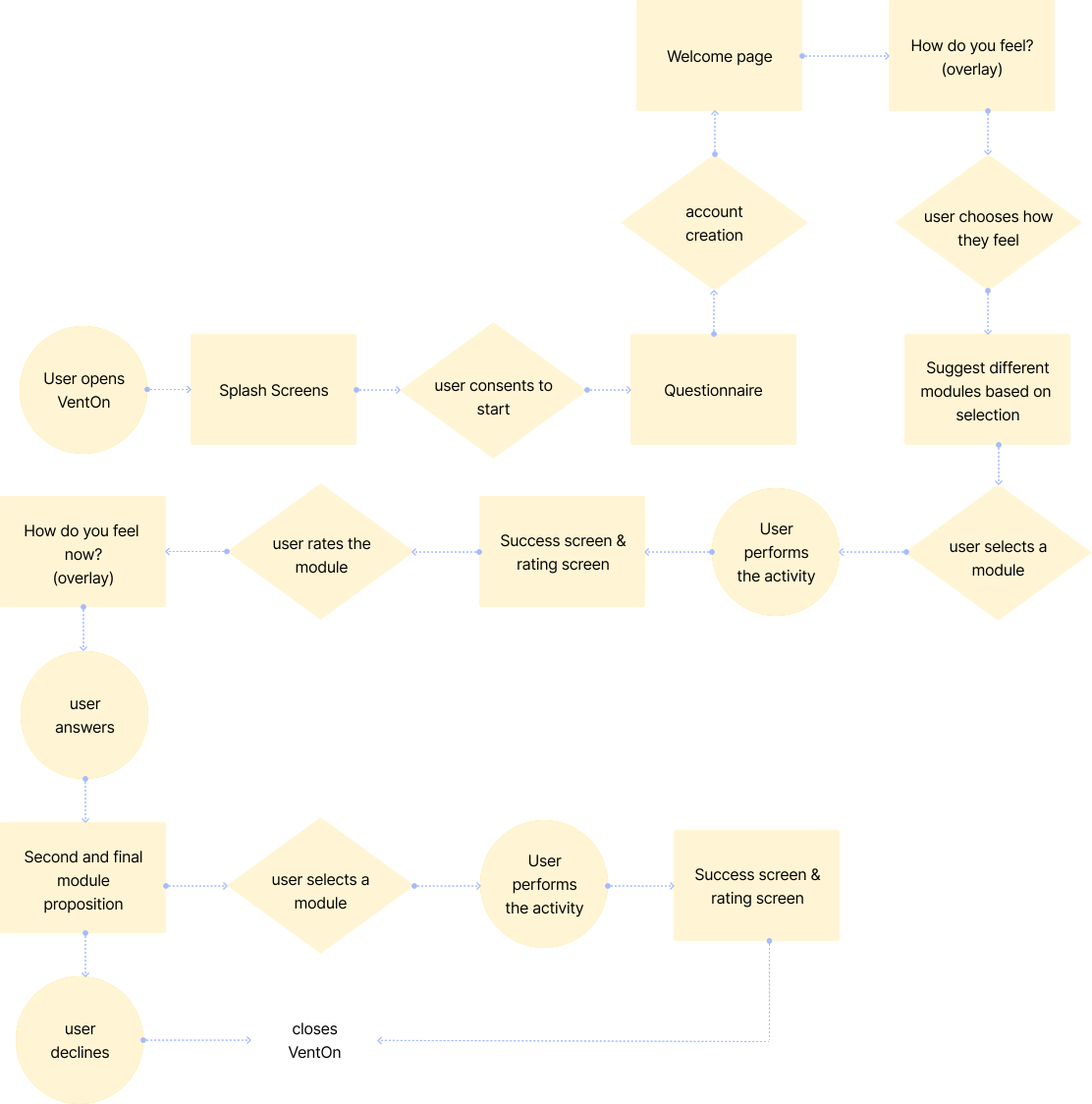
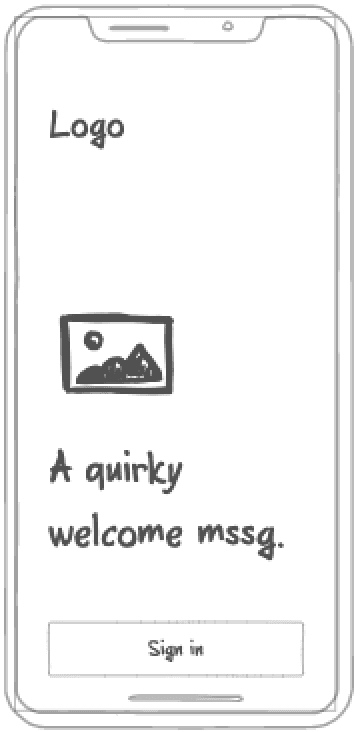
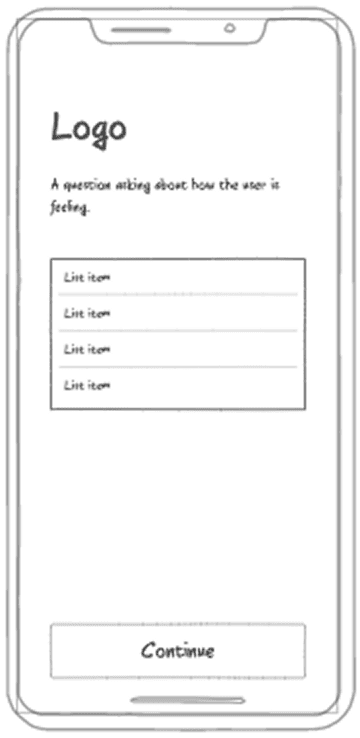
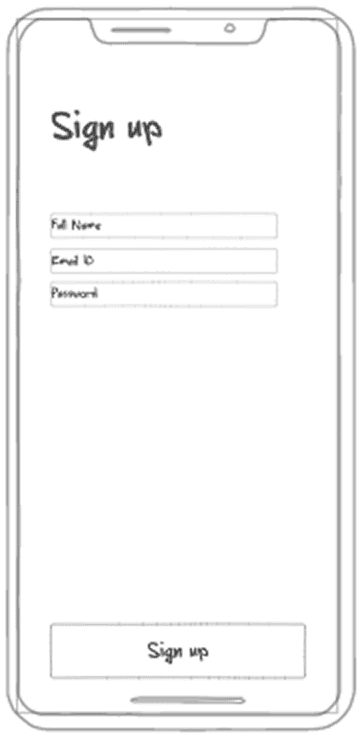
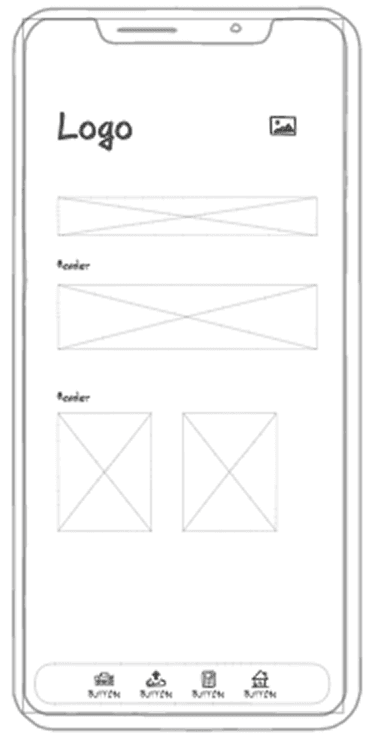
Once I had the structure and flow for the app, I started a lo-fi sketching to mid-fi designing process in order to give a body to the app that I could further test with users.

More Projects
✨
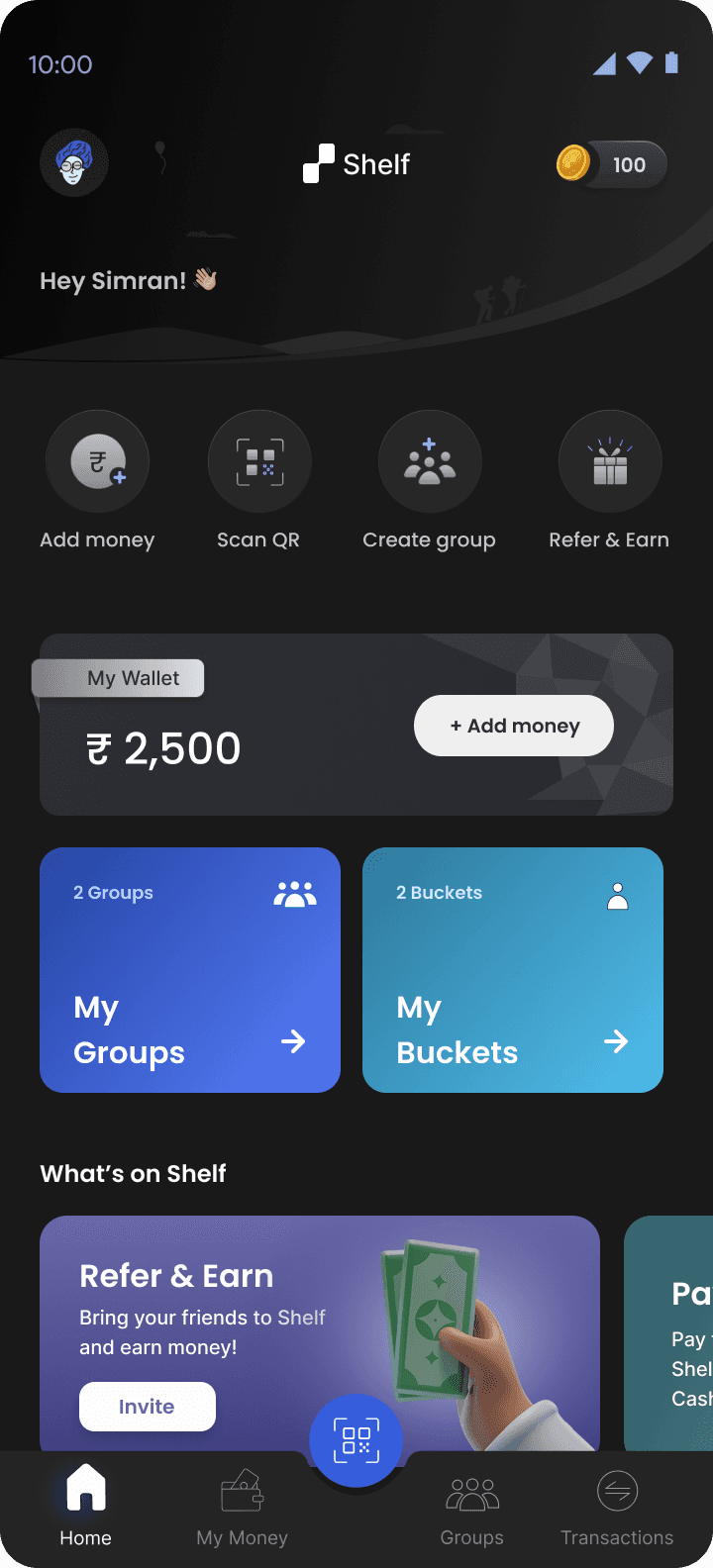
Shelfpay YC22
Fintech, App and Website design
Hilabs
Health-tech, Dashboard design
Redrop
Health-tech, App design