👩🎨
Founding Product Designer

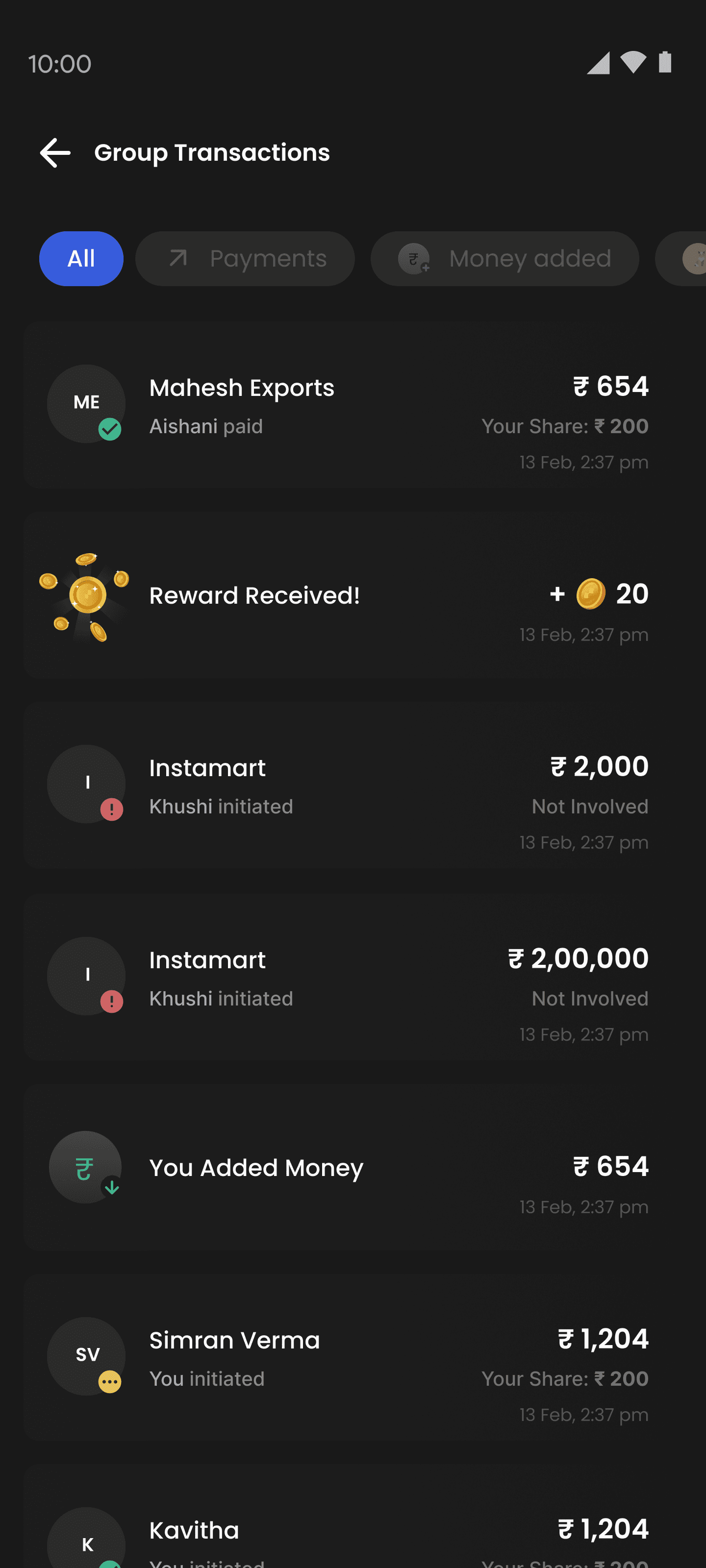
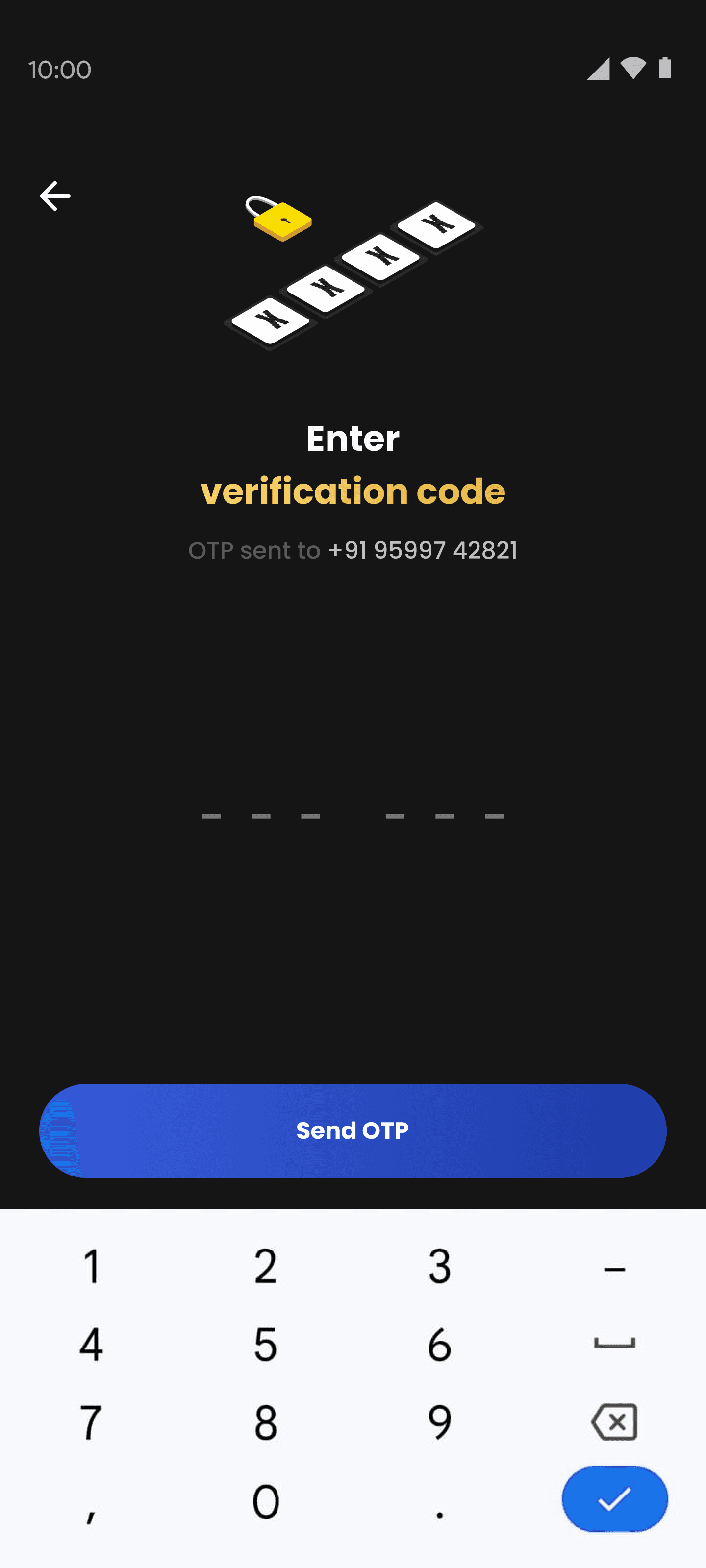
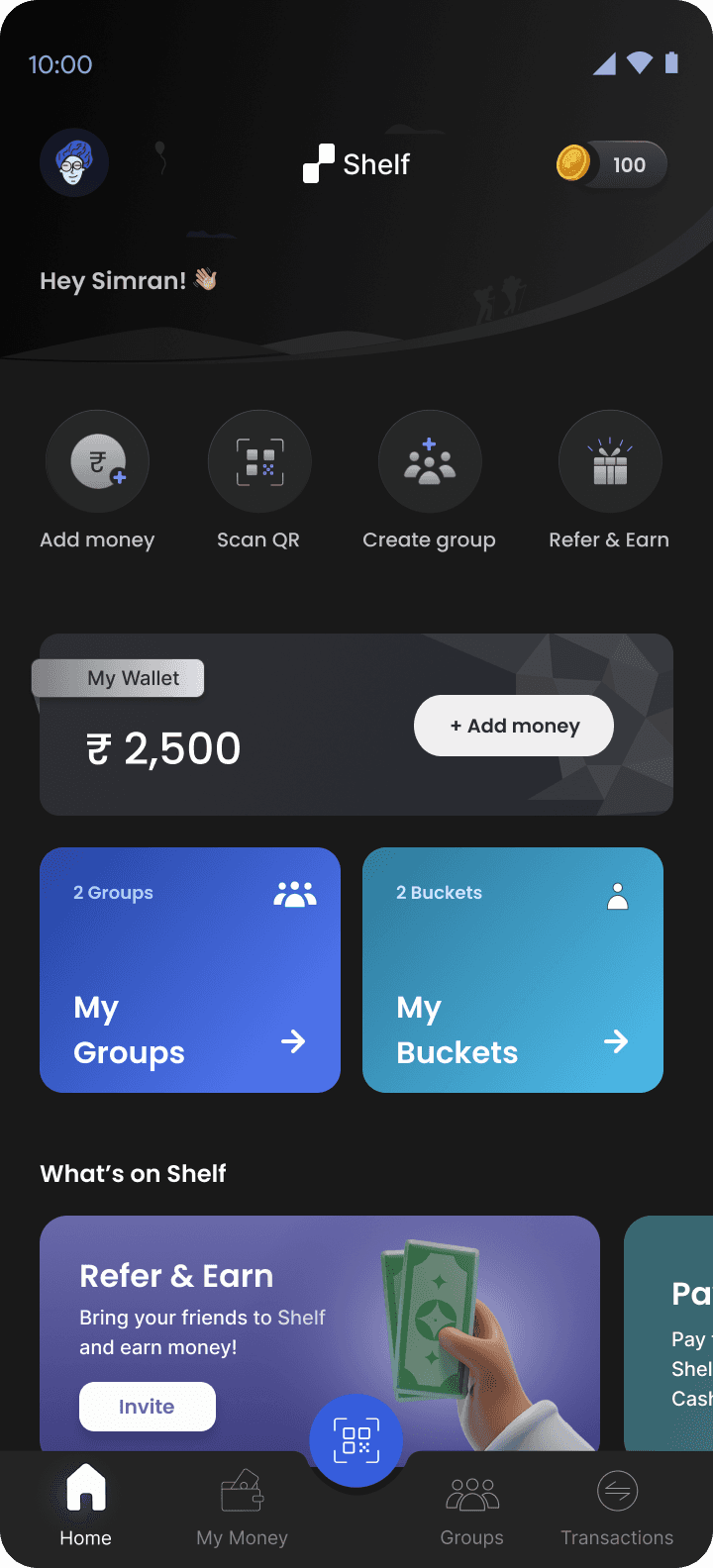
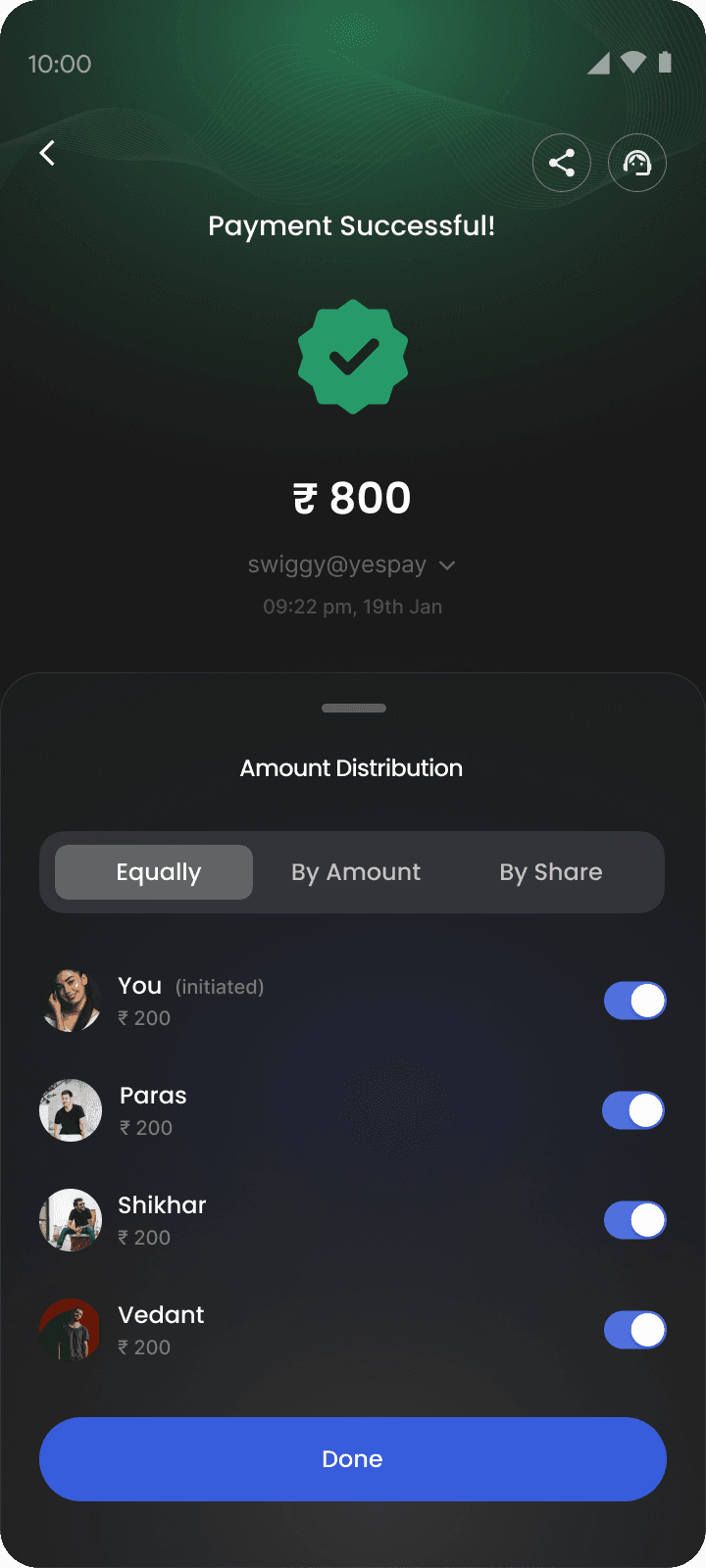
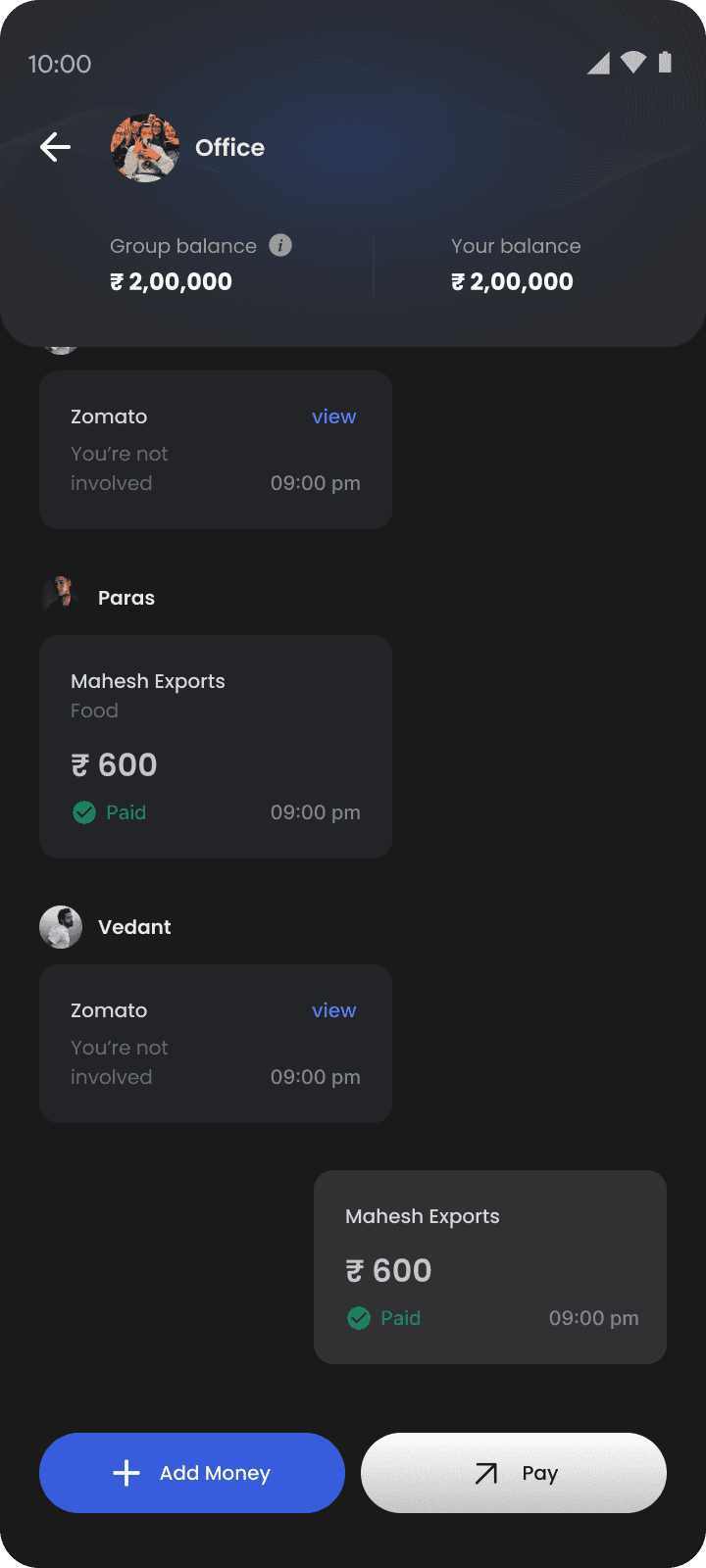
Turning group expenses into real-time settlements
As the Founding Product Designer at Shelfpay (YC-backed), I led end-to-end product discovery and design for a group payments platform focused on eliminating awkward IOUs and unresolved group debts.
Traditional “split” apps log expenses. They don’t liberate users from the social friction of asking for money back.
Shelfpay set out to solve that last mile.
The real problem wasn’t splitting. It was settling.
When people live together, travel, or split recurring costs, collective expenses pile up. One person pays. Others “promise” to settle up. That promise becomes reminders. Reminders become awkwardness.
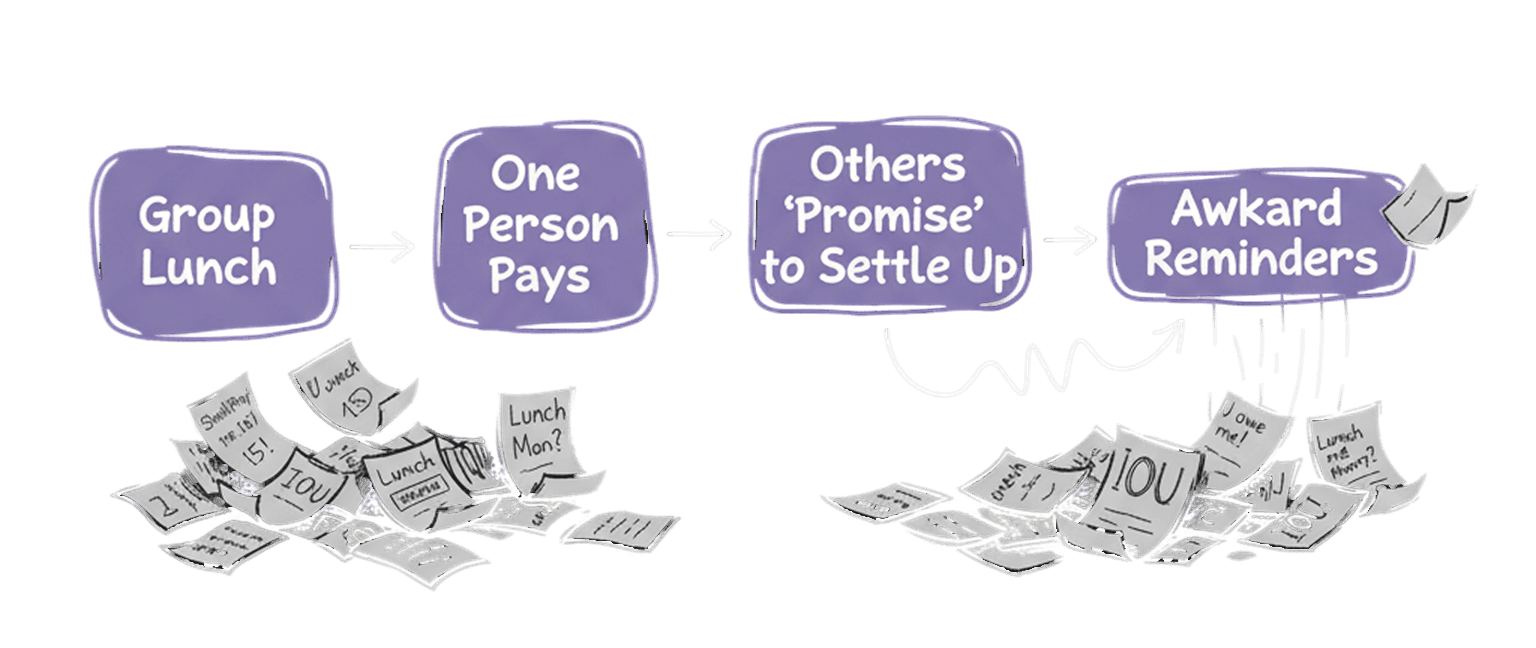
Research revealed:
67% of group expense users hesitate to remind friends for payment, leading to unresolved debts.
Over ₹5000 is the average unresolved splitwise balance for urban millennials living together, based on informal interviews.
1 in 3 groups abandon expense tracking apps within two months due to awkward repayment conversations.
85% of users surveyed said simplifying group repayments would strengthen their trust and willingness to split expenses again.
The friction wasn’t awareness.
It wasn’t access to digital payments.
It was social discomfort.
Existing apps were solving math.
Not behavior.
COMPETITIVE ANALYSIS
What the market was already doing (and not doing)
Most of Shelfpay’s target users were already using Splitwise, Paytm Split, or WhatsApp Pay.
So the gap wasn’t feature discovery. It was structural.
I conducted a competitive analysis.
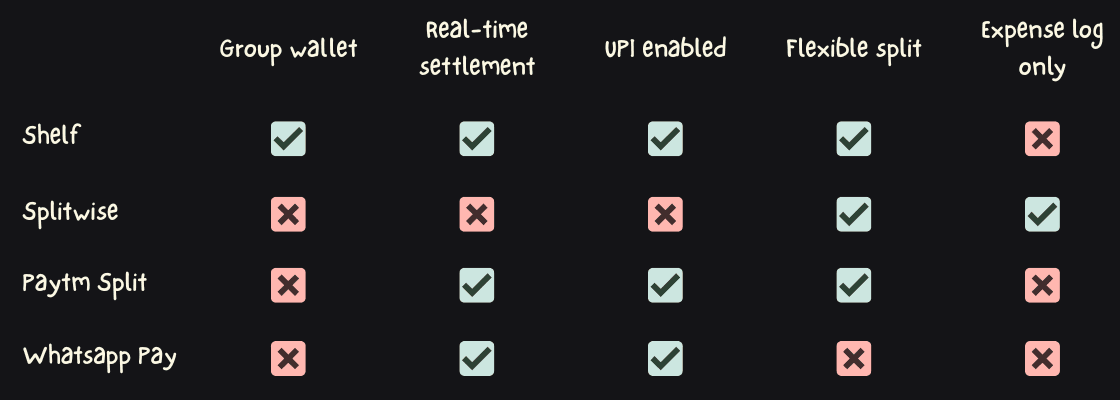
Insights 💡
Splitwise tracks debt but doesn’t transact.
Paytm & WhatsApp support P2P transfers but don’t structure group balances.
No tool treated a group’s money as a pooled balance with rules.
Shelfpay positioned itself as the missing “group wallet” layer.
Groups pre-fund a shared balance.
Every payment auto-adjusts member shares in real time.
No follow-ups. No reminders.
Designing the ecosystem, not just the interface
At the discovery stage, I mapped the product space through a comprehensive mindmap.
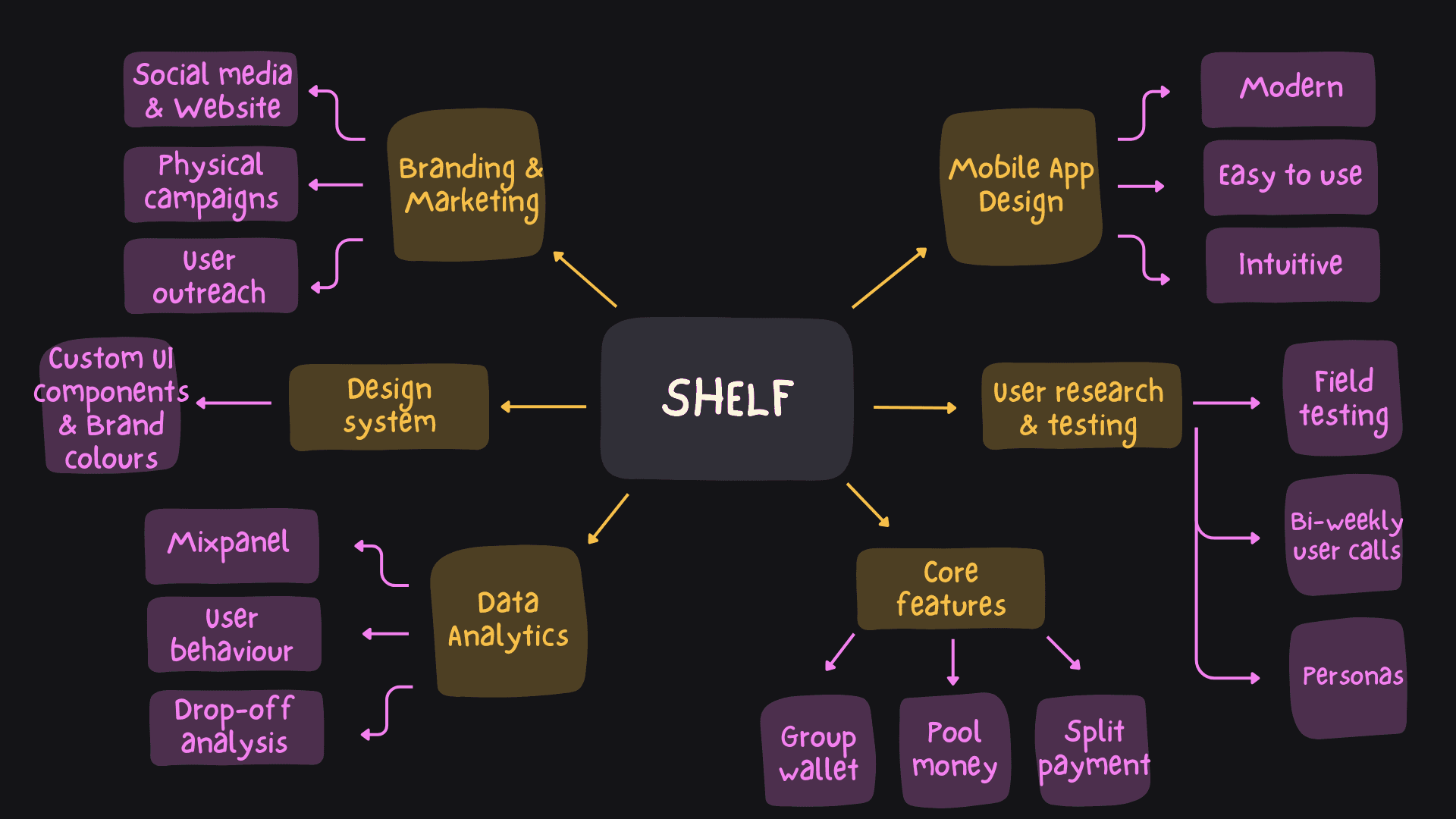
Shelfpay wasn’t just a payments UI — it was an ecosystem involving:
Core Features
Data & Analytics
User Research & Testing
Mobile App Design
Design System
Branding & Marketing
What users actually told us
hrough interviews and usability sessions, four themes consistently emerged:
1.
Users felt uncomfortable reminding friends about payments, leading to distrust and unresolved debts.
2.
“Expensing” apps were easy to start but rarely resulted in actual money transferred.
3.
Payment flows needed to feel as social as the group dynamic — private, flexible, and immediate.
4.
Tracking wasn't enough. Users wanted one-step settlement, not just visibility into who owes what.
The product before I stepped in
When I joined Shelfpay, the core functionality technically existed. Users could create groups, split expenses, and track balances. The concept of pooled payments and flexible splits had already been explored.
But the experience was fragmented.
The interface lacked hierarchy.
Interaction patterns were inconsistent.
Visual language shifted screen to screen.
There was no defined design system.
The product worked — but it didn’t feel trustworthy.
In financial tools, perception matters as much as logic. If the interface feels unstable, users hesitate to move money through it.
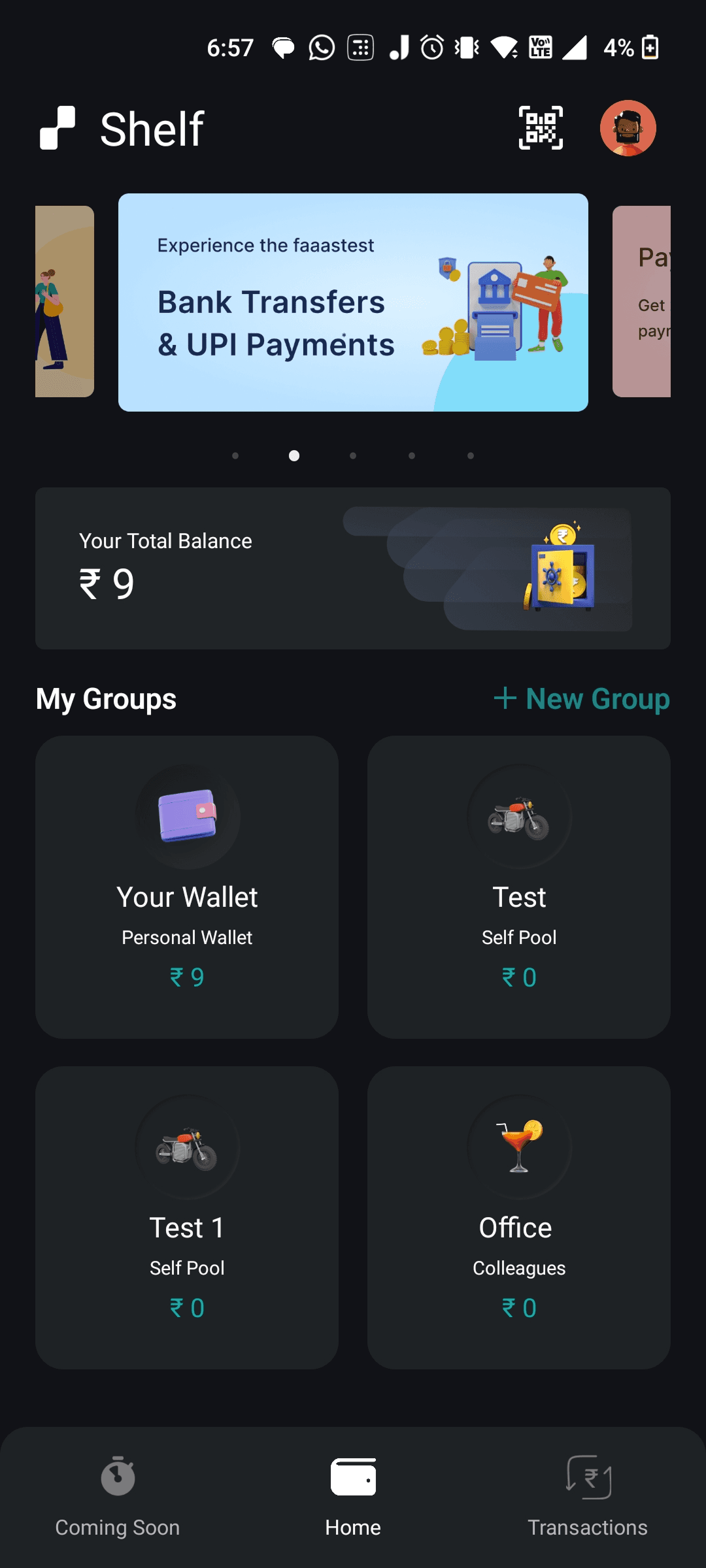
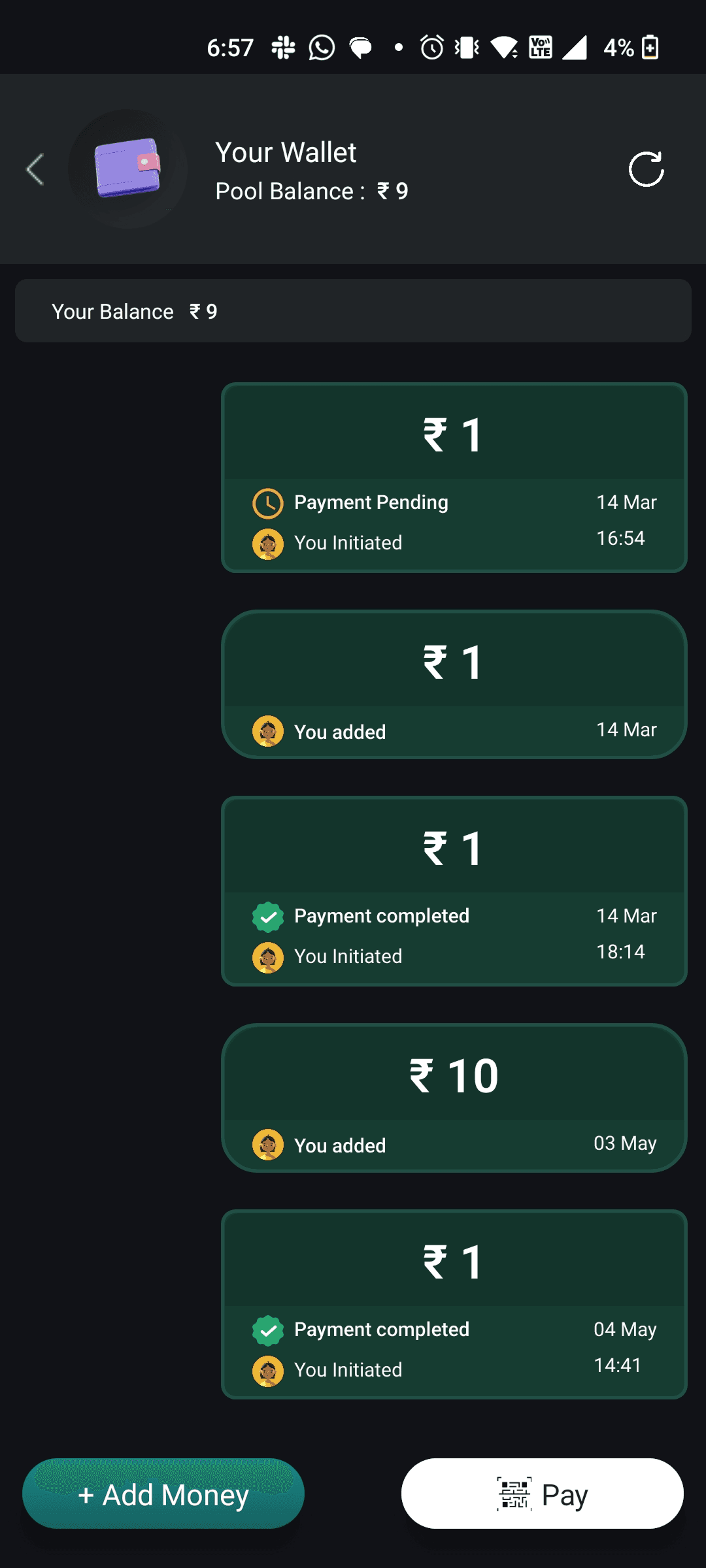
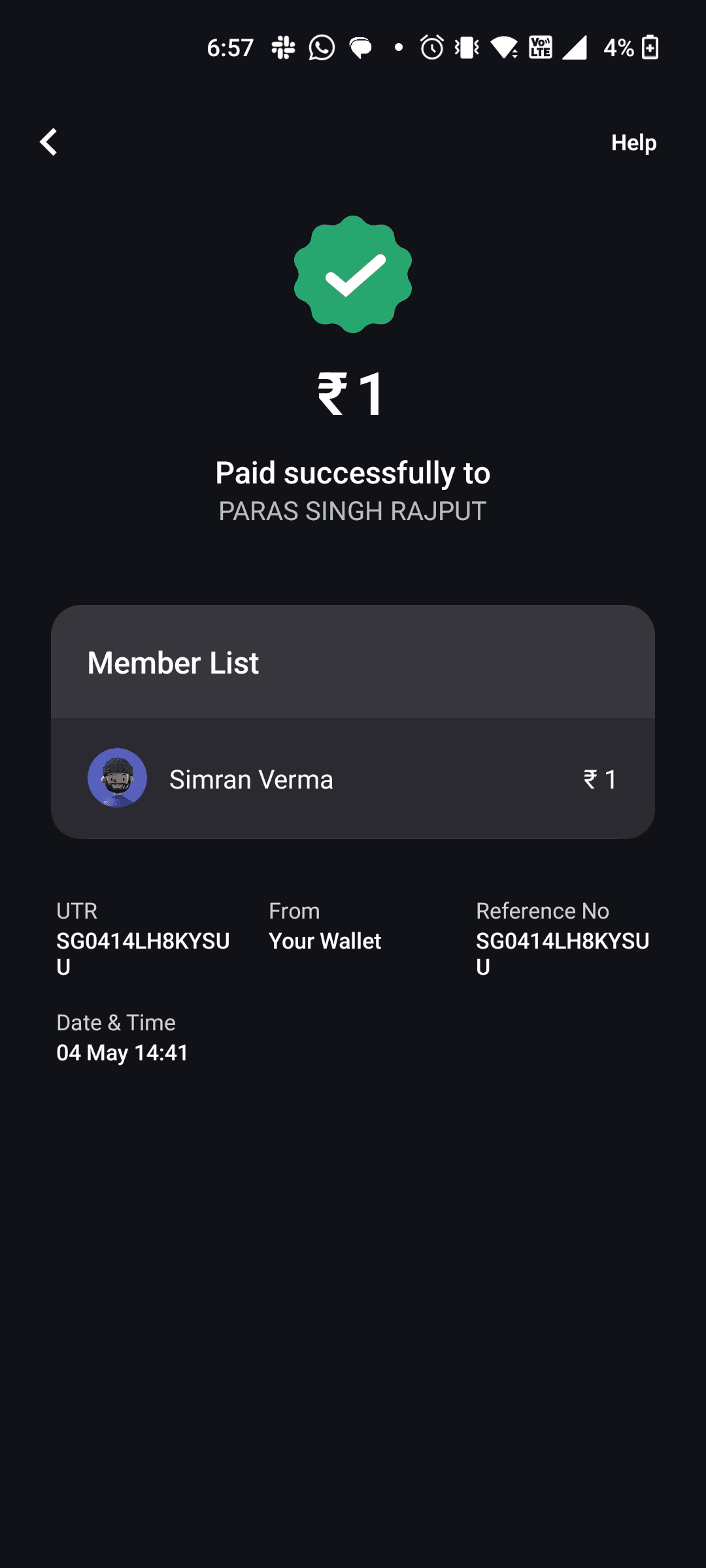
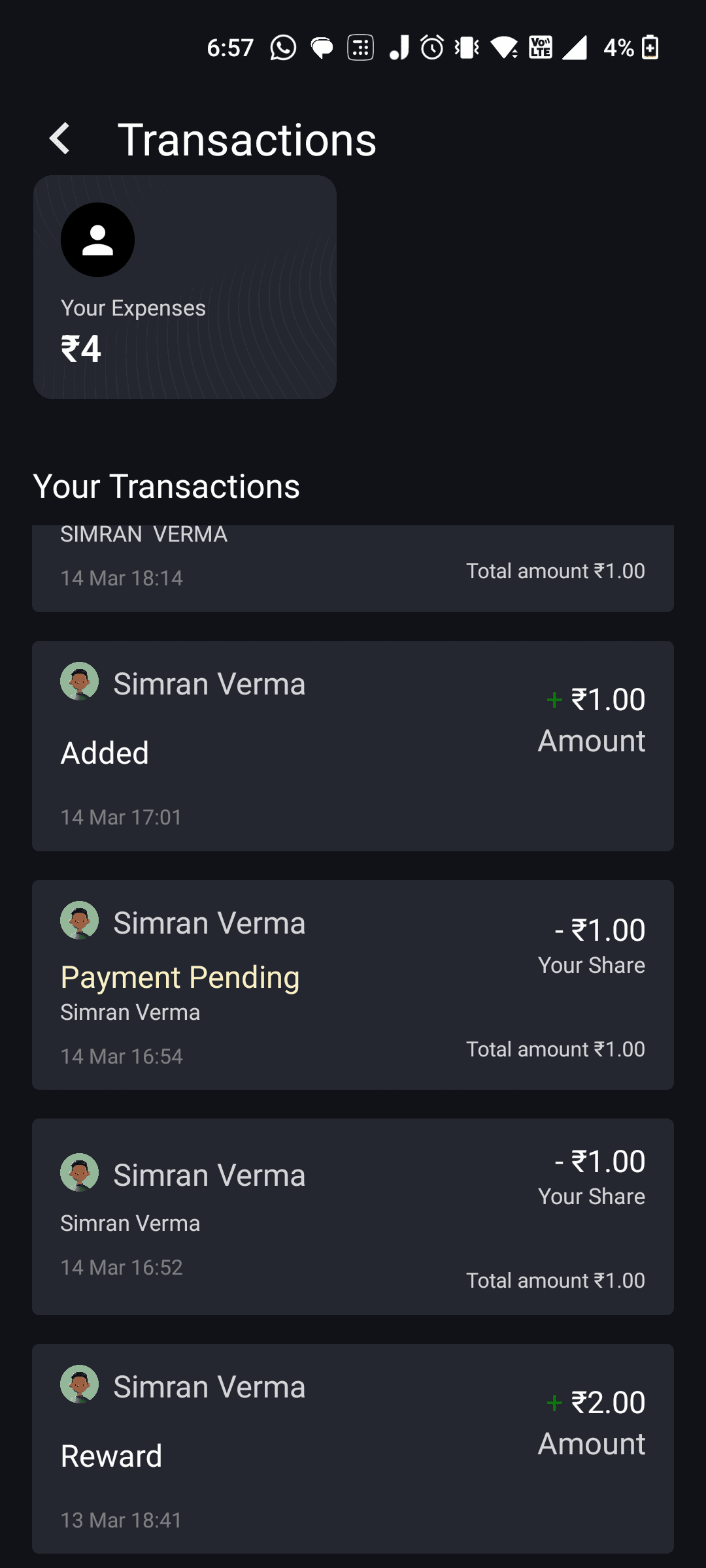
The flows required too much cognitive effort.
Important actions weren’t visually prioritized.
States weren’t clearly differentiated.
There was no system-level coherence.
Users had to relearn patterns on every screen.
In usability sessions, I noticed hesitation before primary actions. That pause is expensive in fintech.
What I changed first
Established a Design system
I created:
Custom UI components
Clear typography hierarchy
Defined spacing rules
Consistent interaction states
Standardized color tokens
Simplified core flaws
Instead of redesigning every screen independently, I rebuilt:
Group creation flow
Wallet funding flow
Expense split flow
Real-time adjustment states
Improved Intuitivenes
The redesign focused on reducing cognitive load:
Clearer CTA placement
Better visual grouping
Stronger hierarchy
Improved micro-interactions
More confident visual language




More Projects
✨